Deep Cleaning in Hampstead
Deep cleaning in Hampstead is a thorough, room-by-room service for homes and small workplaces that need more than routine tidying. It focuses on built-up dirt, hidden marks, neglected edges and the areas that ordinary cleaning can miss. Our work is suited to properties that need a careful reset, whether that is after a busy period, ahead of a change of occupancy, or as part of periodic maintenance. The aim is simple: to leave the space cleaner, fresher and easier to maintain.
We provide deep cleaning as a detailed service built around the surfaces and fittings that take the most wear. That can include kitchens, bathrooms, floors, skirting, switches, doors, shelves and other frequently handled areas. The service is planned so that attention goes beyond visible clutter and into the places where grime usually settles. If you are comparing options, pricing and quotes can help you understand how the work is put together before you request a quotation.
For properties with a broader upkeep need, it may also help to consider related support such as house cleaning or domestic cleaning when the aim is to keep a home in better condition over time. A deep clean is different from standard maintenance because it spends longer on detail, edges and touchpoints. That extra level of attention is what makes the service useful when rooms feel tired, surfaces have accumulated residue, or you want to restore a more presentable finish without changing the property itself.
What a deep clean can cover

A proper deep clean is usually built in stages so that each area is handled methodically rather than rushed. In the kitchen, that often means degreasing accessible surfaces, wiping cabinet fronts, cleaning splash zones and giving extra attention to the places where food preparation leaves marks. In bathrooms, the focus tends to be on limescale, soap residue, taps, sanitaryware and tiled surfaces, with care taken around fittings and sealant lines. The work is detailed, but it still follows a sensible order so that results are consistent.
On living areas and bedrooms, we can focus on dust removal, reachable ledges, furniture exteriors, skirting and high-contact areas such as switches and handles. Floors may need vacuuming, mopping or more specific treatment depending on the surface. Where suitable, the service can also include hard floor cleaning or carpet cleaning when the property would benefit from a more targeted approach to different floor finishes. The point is not to do every possible task in every property, but to select the areas that matter most and clean them properly.
When you request a quotation, it helps to think about the condition of each room and which areas need the most attention. A concise description of the property, the main rooms and any specific concerns can make the quotation more accurate. If you need cleaning for a rental move or handover, end of tenancy cleaning may be a closer fit because that service is shaped around an occupancy change rather than regular upkeep. The right scope matters, and choosing it early helps set realistic expectations.
Kitchens, bathrooms and the detail work that matters

Kitchens and bathrooms often need the most intensive attention because they combine moisture, frequent handling and residue from daily use. In a kitchen, that can mean working on splashes, grease near cooking areas, cupboard exteriors, appliance surrounds and the edges where dirt gathers over time. In a bathroom, deep cleaning usually concentrates on taps, basins, toilets, showers, baths, tiles and the surrounding fittings. The focus is on visible finish as well as hygiene-conscious presentation, without making unsupported claims about sterilising or eliminating every contaminant.
Oven cleaning may be added where the appliance needs separate attention, especially if baked-on residue has built up inside the cavity, on racks or around the door area. For some homes, window cleaning can also be a helpful part of the overall refresh when glass, frames and sills have dulled the appearance of a room. These are practical add-ons rather than fixed promises, and they are best matched to the property condition and the surfaces that actually need work.
Useful information for a quotation is usually straightforward. You do not need to over-explain the job, but it helps to mention the number of rooms, the types of surfaces, whether there are stubborn marks, and whether access is uncomplicated. A few clear notes are often enough to guide the estimate. You can also tell us if the property includes specialist items such as upholstery, rugs or delicate floor finishes, because those details affect the time and method needed. Clarity at the start makes the quotation more relevant and keeps the service focused on the right tasks.
Cleaning methods for different surfaces
The way a deep clean is carried out should reflect the material, finish and condition of each surface. Hard flooring may need one set of tools and products, while sealed wood, painted trim or tiled areas require different handling. A careful service avoids one-size-fits-all treatment because the wrong approach can leave streaks, residue or unnecessary wear. That is why a good specification matters: it is not just about how much is cleaned, but how sensibly each surface is approached.
If the property includes fabric furnishings, related services such as upholstery cleaning or sofa cleaning may be worth considering alongside a deep clean. Fabrics can hold dust and marks that do not shift with general cleaning alone, and they often need methods suited to the material and the type of staining. Likewise, rug cleaning can support a fuller refresh in rooms where floor coverings contribute to the overall look and feel of the space. These choices should be based on the items actually present, not added automatically.
- Surface type and finish
- Visible build-up or staining
- Access to corners, edges and fittings
- Any delicate or specialist items
- Whether the work is a one-off or part of a wider plan
One-off cleaning and more tailored support

Many customers choose deep cleaning as a one-off service when a property needs a reset rather than a recurring appointment. That can suit homes returning to normal after a busy period, rooms that have gone neglected, or spaces being prepared for visitors, photographs or a change in use. The value of the service lies in the extra depth of attention and the ability to target the most important spaces without tying the work to a standing arrangement. It is a flexible format, but it still benefits from a clear brief.
For some premises, a broader internal clean may be better described as one-off cleaning if the goal is a single visit rather than an ongoing housekeeping pattern. In workplaces, office cleaning or office cleaners may be more appropriate where desks, shared areas and staff facilities need different priorities from domestic rooms. The service choice should match the setting and the result you want, rather than using a generic label for every situation.
When you are ready to request a quotation, the most useful information is often practical rather than lengthy. Mention the property type, the rooms to be included, any surfaces that need special care and whether there are items you would like excluded. If the job is time-sensitive, say so clearly, but avoid assuming features such as same-day availability unless that has been specifically confirmed. A well-written enquiry makes it easier to provide a fair estimate and a sensible plan for the work.
Support for occupied homes and periodic maintenance

Deep cleaning does not only apply to empty properties or major tidy-ups. It can also support occupied homes where routine cleaning has not been enough to keep on top of the details. In these cases, the service usually focuses on the overlooked parts of a room: edges, thresholds, fittings, fixtures and the areas that collect fine dust or residue. The work is careful and methodical so that the home feels improved without needing a more disruptive intervention.
Related options such as home cleaners or cleaning company pages may be useful if you are deciding between a focused deep clean and wider domestic support. Some properties benefit from both types of service at different times. For example, regular upkeep can be supplemented by a deeper visit when seasonal dirt, family routines or busy schedules have left certain rooms behind. The important point is to choose the service that matches the condition of the property rather than forcing one style of cleaning to do everything.
If you would like to move forward, request a quotation with a brief description of the space and the rooms you want included. You can keep it simple: which areas need attention, which surfaces matter most and whether there are any delicate finishes to note. Clear details lead to a better estimate, and they also help the service focus on the tasks that will make the biggest difference.
Internal features, fixtures and finish
A thorough deep clean often goes beyond the main surfaces and includes the smaller details that shape how a room looks. Doors, handles, switches, shelves, frames and visible fittings can all affect the overall finish when they collect dust or marks. These items are not always difficult to clean, but they do need time and attention because they sit at eye level or are handled constantly. Leaving them out can make the whole job feel incomplete.
Where the property has been affected by building work or refurbishment, after builders cleaning may be a more suitable way to approach the job because post-work dust behaves differently from ordinary household dirt. In that situation, the cleaning plan needs to take account of fine residue, protective films and the possibility that several surfaces need a more careful pass. The same is true of tricky fixtures and mixed materials, which are best handled in a clear sequence rather than with a broad wipe-down.
The quotation stage is also the right time to flag any limitations, such as access constraints, fragile decorative pieces or rooms that should be cleaned in a particular order. These notes do not need to be elaborate; they simply help the estimate reflect the real task. Good preparation at this point is less about paperwork and more about accuracy. It keeps the service practical, and it helps ensure the work is matched to the property as it stands.
About Hampstead
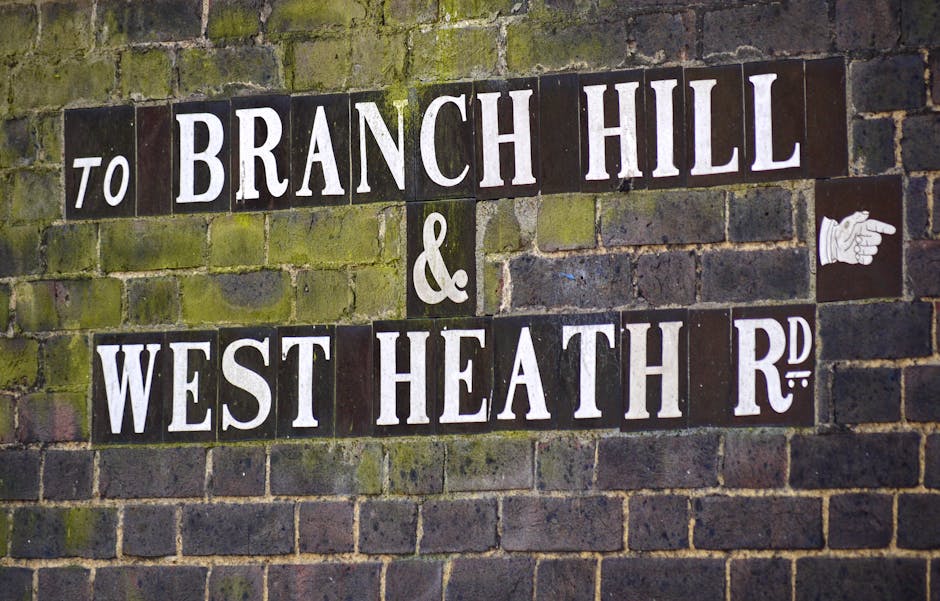
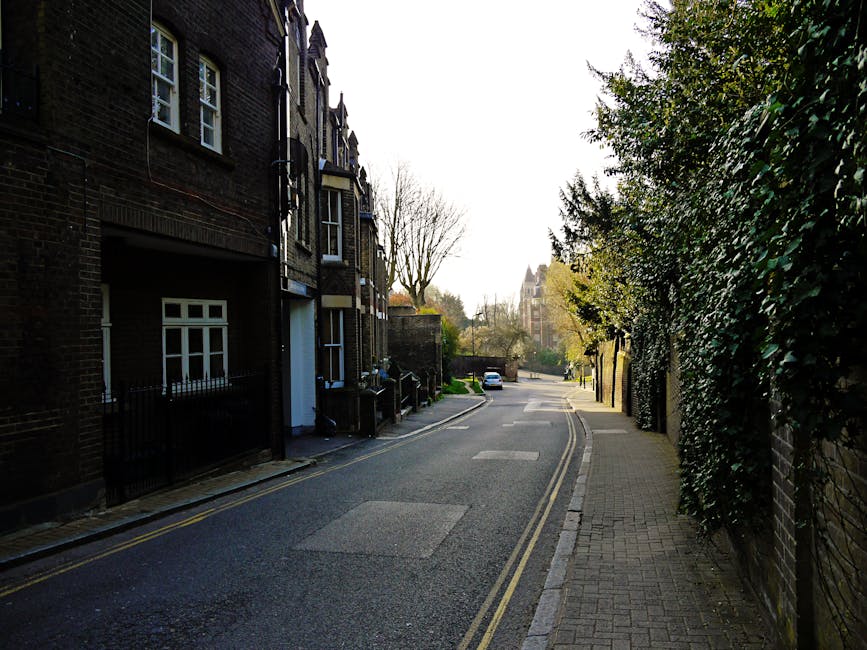
Hampstead is a district in north-west London known for its strong historic character, varied architecture and prominent green spaces. At its centre is Hampstead Village, where narrow streets, Georgian and Victorian terraces, independent shops and long-standing pubs create a distinct urban pattern that differs from the wider borough around it. The area developed from a rural settlement into a fashionable London retreat, helped by the reputation of its mineral springs in the 17th and 18th centuries. That spa heritage is still part of the place’s identity, even though the former wells are now chiefly remembered through local history rather than as a working resort. The built environment includes listed houses, mansion blocks and a mix of later residential streets that reflect different phases of expansion. Hampstead Heath remains one of the district’s defining landscapes: a large expanse of commons, ponds, woodland and open views that gives the area an unusual sense of space within the capital. The Heath has long shaped local life, offering walking routes, swimming ponds, athletics spaces and high ground with broad outlooks across London. Nearby cultural landmarks add to the area’s profile, including the Freud Museum in Finchley Road, Keats House on Keats Grove and the roundhouse-like architecture of the church of St John-at-Hampstead. The district also has a notable literary and artistic history, with many writers, musicians, actors and painters drawn to its combination of village atmosphere and metropolitan access. Parts of the area sit within conservation zones, which helps preserve streetscapes and reinforces the sense that Hampstead is a place of careful continuity as well as change.
Service choices for different property types
Deep cleaning can be adapted to a range of interiors, but the priorities change from one property type to another. A compact flat may need concentrated attention in a kitchen and bathroom, with the rest of the space handled efficiently. A larger family house may require a broader sweep across multiple rooms, staircases, landings and high-contact surfaces. In both cases, the key is to spend time where the condition of the property most justifies it, rather than treating every room identically.
Where floors are part of the issue, related pages such as carpet cleaner or cleaner can help you explore the wider range of available support. Those pages may be useful if you are comparing a general deep clean with a more targeted treatment for specific materials or a broader cleaning arrangement. In some properties, a combined plan is sensible; in others, a focused visit is enough. The most useful quotation is the one that reflects the actual state of the property and the result you want to achieve.
If you are gathering options, keep the brief practical: room count, problem areas, floor types and any special items. That gives enough detail for an informed estimate without creating unnecessary back-and-forth. It also helps establish whether a deep clean on its own is sufficient or whether a related service would improve the result. The aim is to make the decision straightforward while keeping the work properly tailored to the property.
Request a quotation
If you need deep cleaning in Hampstead, the next step is to request a quotation based on the rooms and surfaces that matter most. A good enquiry usually includes the property type, the number of spaces to be cleaned, any especially marked areas and whether you would like certain add-on services considered. That information is enough to start a useful conversation without overcomplicating the process. It also keeps the focus on what will actually be cleaned and how the job should be approached.
For more detail on how estimates are put together, the contact us page is the best place to begin your enquiry, and about us provides broader background on the business. If you are still comparing options, cleaners can help you view the range of cleaning support in one place. Ask for a quotation when you are ready, and include any useful notes so the response can be as relevant as possible.
Whether the job is a one-off refresh, a move-related clean or a more detailed domestic visit, the service should be shaped around the property rather than the other way round. That is what makes a quotation meaningful and the finished work more effective. If the space has a mix of surfaces, fixtures and fabric items, mention them plainly and let the scope be built from there. A clear brief is the easiest way to get started.