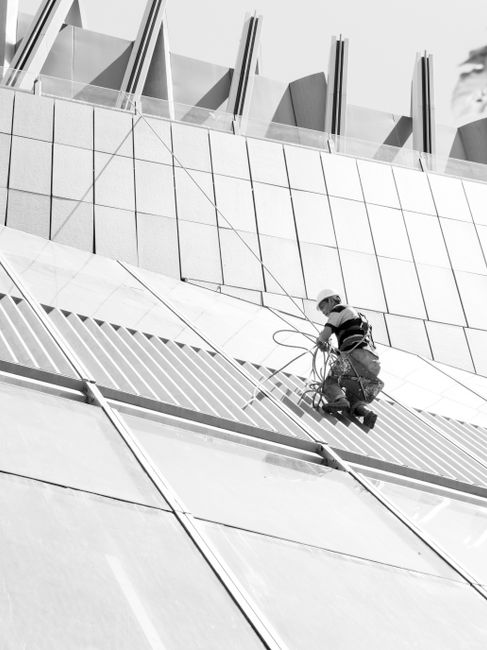
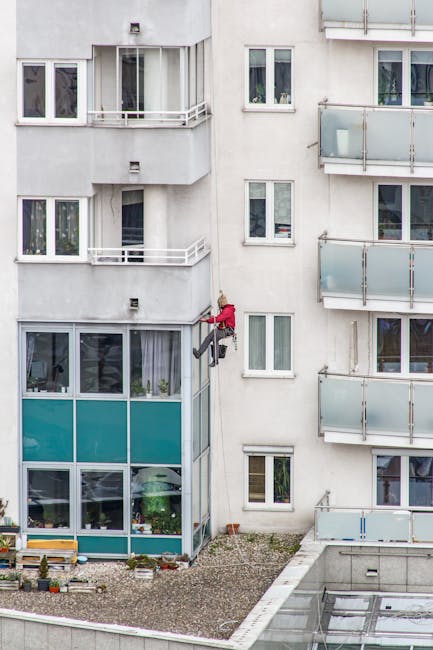
Difficult access jobs in Hampstead cleaning solutions
Some cleaning jobs look straightforward on paper and turn out to be anything but. A sash window above a narrow side return, a soot-darkened facade over a shared courtyard, a stairwell with awkward turns, or a flat with no lift and barely enough room to swing a vacuum can all turn a normal appointment into a careful operation. That is where Difficult access jobs in Hampstead cleaning solutions really matter: not just cleaning well, but cleaning safely, sensibly, and without making a stressful situation worse.
In Hampstead, properties often come with character, and character usually means quirks. High ceilings, basement flats, tight mews entrances, listed features, older glazing, and limited parking can all affect how a cleaning job is planned. This guide walks through what difficult access cleaning involves, how it works, the main risks, and the practical steps that help you get better results without drama. Let's face it, the right approach saves time, protects surfaces, and makes the whole thing feel far less daunting.
Table of Contents
- Why difficult access cleaning matters
- How the work is planned and carried out
- Key benefits and practical advantages
- Who this is for and when it makes sense
- Step-by-step guidance
- Expert tips for better results
- Common mistakes to avoid
- Tools, resources and recommendations
- Law, compliance, standards, and best practice
- Options and methods compared
- Case study or real-world example
- Practical checklist
- Conclusion
- Frequently asked questions
Why Difficult access jobs in Hampstead cleaning solutions Matters
The biggest reason is simple: difficult access changes the risk profile of the job. When a cleaner has to work at height, move through narrow spaces, or reach around fragile fittings, the method matters as much as the result. A rushed approach can lead to scratches on woodwork, water ingress, broken fittings, or a job that is only half done because the access route was not thought through properly.
In Hampstead, that concern is amplified by the type of buildings many people live and work in. You might be dealing with period townhouses, converted apartments, office premises with awkward back access, or renovated homes where the original structure was never designed for modern equipment. A window on the third floor might be technically cleanable, but only if the access route, equipment, and timing are sensible.
This is not just about efficiency. It is about protecting the property, the people in it, and the people doing the work. A careful access plan can reduce disruption for neighbours, avoid damage to shared areas, and help a job finish in one visit rather than two or three. That matters to homeowners, landlords, tenants, and business managers alike.
Expert summary: difficult access cleaning is less about brute force and more about planning, safe positioning, and choosing the right cleaning method for the space in front of you.
If you are comparing service options, it helps to look at a provider's wider capability too. For example, more complex jobs often sit alongside deep cleaning, after builders cleaning, or window cleaning, because access issues often come with dust, residue, or exterior dirt that needs a slightly different method.
How Difficult access jobs in Hampstead cleaning solutions Works
Good difficult access cleaning starts before anyone opens a caddy or extension pole. The first step is a site assessment. That may be a quick walk-through, a phone discussion with photos, or a more detailed look at the property. The goal is to identify how the cleaner will actually reach the area, what could get in the way, and which surfaces need special care.
From there, the cleaner chooses the access method. That might mean long-reach tools, compact equipment, hand detailing, portable extraction machines, step platforms, or a two-person setup where one person handles the task and another manages safety and positioning. In some cases, the correct solution is not to use the biggest tool available. It is to use the smallest one that can do the job properly.
For exterior work, weather and visibility matter too. A damp morning, loose debris, or strong wind can make an apparently simple task more complicated. Indoors, the challenge may be less dramatic but still awkward: low ceilings, tight stairwells, protected finishes, or delicate furnishings that need careful covering. You know the sort of place where one wrong turn with a trolley and you are apologising to a freshly painted wall.
Here is the rough flow most professional teams follow:
- Assess access points, risks, and property layout.
- Choose the right cleaning method and tools.
- Protect nearby surfaces, furnishings, and walkways.
- Carry out the cleaning in a controlled sequence.
- Check the result, then review any remaining access limitations.
That process applies whether the work is domestic or commercial. It is especially useful for tasks like office cleaning, house cleaning, or even a one-off reset after a renovation, where access around furniture, stairs, fixtures, and stored items can be the real challenge.
Key Benefits and Practical Advantages
When difficult access jobs are handled well, the benefits are very tangible. First, the finish is better. Cleaner, well-planned access means the work reaches the areas that tend to be skipped or brushed over. That includes awkward corners, high ledges, top panes, the backs of fixtures, and other places dust seems to enjoy hiding.
Second, the property is safer during and after the visit. A methodical approach reduces the chance of slips, knocks, and accidental damage. This is particularly important in older Hampstead buildings, where floorboards, plaster, and decorative details may not forgive careless handling.
Third, you usually save time in the long run. A job that is planned correctly tends to need less rework. There is less guesswork, fewer access surprises, and a lower chance of delays caused by missing kit or blocked routes. That can make a noticeable difference to landlords working to a deadline or households trying to get back to normal quickly.
Fourth, there is the value of peace of mind. If someone has taken the time to look at the route, check the hazards, and explain the method clearly, you can relax a little. Not completely, of course. Cleaning jobs always bring a few surprises. But enough to stop the whole thing feeling chaotic.
In practice, the most useful advantages often look like this:
- Less disruption to residents, staff, or neighbours
- Reduced risk of scratches, chips, or broken fittings
- Cleaner results in awkward or elevated areas
- Better scheduling around access restrictions
- More accurate quoting and fewer unpleasant surprises
Who This Is For and When It Makes Sense
Difficult access cleaning is for anyone whose property layout makes ordinary cleaning inefficient or risky. That can include homeowners with tall windows, landlords with basement entries, tenants leaving a property in a tight stairwell block, or business owners managing offices with restricted service access.
It also makes sense after building work, when debris, dust, paint specks, and fine residue settle into places you did not even know existed. Builders are brilliant at creating a huge amount of mess in very little time. Fair play to them. But it leaves you with ledges, frames, vents, and corners that need the right method to clean properly.
Typical situations include:
- Windows above conservatories, side returns, or narrow alleyways
- Communal entrances with limited manoeuvring space
- Stairs, loft rooms, or basement rooms with awkward access
- Commercial interiors with fixed furniture or server-room constraints
- Properties with fragile finishes, heritage details, or narrow corridors
If your main issue is an urgent, awkward clean rather than a regular schedule, a one-off cleaning visit can be a sensible choice. If you are moving out, end of tenancy cleaning often needs a more detailed look at access because every room has to be left in a presentable, checkable state.
Step-by-Step Guidance
If you are organising a difficult access job for the first time, the easiest way to keep things calm is to break it down. Small steps. Clear information. No heroics.
1) Walk the access route
Start by identifying how people and equipment will reach the work area. Note stairs, door widths, shared hallways, parking limitations, and any locked or restricted points. If the cleaner cannot get the machine to the room without a wrestling match, that needs flagging early.
2) Identify hazards and fragile features
Look for loose handrails, slippery surfaces, delicate glass, antiques, low-hanging lights, and anything that could be harmed by moisture or vibration. This matters just as much for inside jobs as outside ones. A beautiful old cornice does not appreciate a careless brush handle.
3) Match the method to the site
Long-reach tools are useful, but only if they can deliver proper cleaning power without damaging the surface. Sometimes manual detailing is better. Sometimes machine-assisted work is needed. Sometimes the answer is a combination. There is no universal fix.
4) Protect the surrounding area
Cover sensitive surfaces, move portable items, and clear the route where possible. In offices, that may mean managing cables and desk items. In homes, it may mean shifting soft furnishings or placing protective sheets over floors.
5) Clean in a controlled sequence
Work from the cleanest to the dirtiest area, and from the highest point down if the task allows it. That simple principle avoids recontaminating surfaces you have already finished. It sounds basic, but it saves a lot of pointless backtracking.
6) Inspect, then adjust
Check the finish once the job is complete. If some areas remain difficult, note why. Maybe the access route is too narrow, maybe the surface is too delicate, or maybe the job would benefit from a different piece of equipment next time. That little review step is often what separates a decent provider from a reliable one.
Expert Tips for Better Results
After a while, certain patterns become obvious. The best difficult access jobs are usually won before the actual cleaning begins. A few practical habits make a real difference.
Be clear about photos and measurements. A couple of well-lit pictures can save a lot of guesswork. So can a rough measurement of stair width, window height, or room clearance. It does not need to be forensic. Just enough to stop bad assumptions.
Schedule around the building's rhythm. In Hampstead, that can mean avoiding school-run traffic, loading restrictions, or busy communal times. Even without formal restrictions, timing the job well reduces friction for everyone.
Use the right cleaning chemistry for the surface. This is where experience shows. Some stains and residues need a specialist product; others need plain mechanical agitation and a soft touch. Overdoing it can leave smear marks or damage finishes. Not ideal.
Do not ignore the access route itself. If the route is dusty, cluttered, or wet, the job is going to feel harder than it needs to. A cleaner route often means a better result, and fewer awkward moments carrying gear through narrow spaces.
Plan for "what if". What if the weather turns? What if the lift is unavailable? What if the parking space disappears? A sensible contingency means the job still gets done, or at least paused cleanly rather than failing mid-way.
A tiny human truth here: the best teams usually look a bit boring from the outside. They check, measure, tape, protect, and re-check. And then the job just works. Nothing flashy. Which, honestly, is exactly what you want.
Common Mistakes to Avoid
Most problems with difficult access cleaning come from rushing or assuming the route will be fine. That is the short version. The longer version is a bit messier, but still avoidable.
- Assuming standard equipment will fit. A machine that works beautifully in a large room can become a nightmare in a tight stairwell.
- Forgetting about neighbour or communal access. Shared spaces need extra care, especially in flats or mixed-use buildings.
- Underestimating surface sensitivity. Older paint, polished wood, and heritage materials can react badly to the wrong technique.
- Skipping a pre-clean survey. This is where most avoidable delays start.
- Not allowing enough time. Awkward access almost always takes longer than straightforward access. Always.
One of the most common issues is miscommunication. A client says "it's easy enough to reach," but the cleaner arrives to find a narrow passage, no parking, and a door that only opens halfway because of a fixed cabinet. Not anyone's fault necessarily, but it can still derail the day. Better to over-explain than under-explain.
Tools, Resources and Recommendations
You do not need to become a cleaning engineer to understand what makes a difficult access job successful. Still, knowing the basics helps you judge the quality of a quote or plan.
Useful tools and setups often include:
- Long-reach poles for exterior glass or ledges
- Compact vacuums or portable extraction equipment
- Step platforms or low access ladders where appropriate
- Microfibre detailing cloths for sensitive finishes
- Protective floor coverings and dust sheets
- Corner and edge tools for tight spaces
From a service perspective, it can also help to check whether the provider offers related specialist cleaning that fits the same type of property or access issue. For example, facade cleaning is often relevant where outdoor access is tricky, while oven cleaning and upholstery cleaning can be useful in homes where the challenge is not height, but tight internal access and delicate materials.
If you need a better all-round refresh in a property with awkward layouts, domestic cleaning, house cleaning, and office cleaning services may all be worth comparing depending on the space. Different jobs need different priorities. That sounds obvious, but it is easy to forget when you are staring at a stubborn patch of grime.
Law, Compliance, Standards, and Best Practice
With difficult access work, compliance is mostly about safety, competence, and common sense. If equipment is used at height or in restricted spaces, the team should understand safe working practices, how to prevent falls, and how to protect people and property around the work area. In the UK, this usually means following accepted health and safety practice, not improvising.
For customers, the main thing is to choose a provider that takes safety seriously. Ask whether they have an up-to-date health and safety policy, appropriate insurance and safety arrangements, and clear terms around site access, responsibilities, and limitations. Those details matter more than flashy promises.
Best practice also includes respecting occupied buildings. That means keeping walkways clear, avoiding unnecessary disturbance, and working neatly in shared spaces. If the property is commercial, the cleaner should be sensitive to staff movement, customer traffic, and any site-specific rules. If it is residential, care with neighbours and communal areas goes a long way.
There is also a sustainability angle, which is easy to overlook. Choosing the least disruptive method often reduces waste, and a careful clean can limit the need for repeat visits. If that matters to you, the company's recycling and sustainability approach may be worth reviewing alongside its practical methods.
Options, Methods, or Comparison Table
Not every difficult access job needs the same solution. Sometimes the best option is a long-reach system. Sometimes it is a manual clean. Sometimes it is a full specialist visit with more than one operative. Here is a simple comparison to help you think it through.
| Method | Best for | Strengths | Limits |
|---|---|---|---|
| Long-reach tools | High windows, exterior ledges, upper surfaces | Efficient, minimal disruption, good reach | Not always suitable for delicate detailing |
| Manual detailing | Sensitive surfaces, tight corners, heritage features | Precise, gentle, controlled finish | Slower for large areas |
| Two-person setup | Large or awkward access routes, shared spaces | Safer handling, better coordination | Higher labour requirement |
| Portable machine setup | Carpets, upholstery, compact interiors | Flexible, effective in restricted spaces | May still need power, water, or space planning |
The right choice depends on the access route, the surface, and the result you need. A commercial office with fixed furniture, for example, may need a different setup from a family home with tall sash windows. Same city, same day, completely different puzzle.
Case Study or Real-World Example
Consider a typical Hampstead scenario: a period apartment with a narrow internal staircase, tall front windows, and limited room at the entrance. The customer wants a proper refresh before guests arrive. The problem is that standard equipment would be awkward to carry, and some of the glass panels are high enough to need careful reach planning.
Rather than trying to force a generic clean, the job is broken down. The team first clears the route and protects the floor. Then they clean the lower details by hand, move to the upper sections with the right reach equipment, and finish with a careful inspection around the window frames and ledges. Dust around the sash edges is removed, no excess water is left behind, and the result looks much cleaner than a rushed pass ever would.
What made the difference? Not speed. Planning.
That is the truth of most difficult access jobs. The visible work is only half the story. The unseen work is route planning, risk checking, and selecting a method that fits the building rather than fighting it. Once you get that part right, the whole job feels calmer. Less noise, fewer surprises, better finish.
Practical Checklist
Use this before booking or starting a tricky clean:
- Confirm how people and equipment will reach the work area
- Measure narrow points, stairs, or window heights if possible
- Flag fragile surfaces, older fittings, or protected features
- Ask what access equipment or method will be used
- Check whether the route needs protection or coverings
- Make sure the timing works for parking, neighbours, or office use
- Ask about insurance, safety planning, and terms
- Clarify whether the job needs one cleaner or a small team
- Ask how the finish will be checked once the work is done
- Allow a little extra time because awkward access always adds complexity
If you can answer those points calmly, you are already ahead of the game. It keeps the job organised and gives the cleaner a fair shot at doing excellent work. Simple, but effective.
Conclusion
Difficult access jobs in Hampstead are not just "harder cleaning jobs". They are a different kind of problem altogether, where planning, safety, and method matter just as much as the final sparkle. Whether you are dealing with a tall facade, a narrow staircase, a basement room, or a property with delicate features, the best solution is usually the one that fits the building instead of forcing the building to fit the job.
That is why the right cleaning partner matters. You want someone who asks the sensible questions, explains the plan plainly, and treats access as part of the service rather than an annoying side issue. When that happens, the whole process feels steadier, and the result is usually better too.
Get a free quote today and see how much you can save.
And if the property feels a bit awkward at first glance, don't worry too much. With the right approach, even the tricky jobs can be handled neatly. Quietly. Properly.
Frequently Asked Questions
What counts as a difficult access cleaning job?
It is any cleaning task where the route to the area, the height of the surface, or the layout of the property makes normal cleaning methods awkward, slower, or riskier. That could be high windows, narrow staircases, shared entrances, or tight commercial spaces.
Is difficult access cleaning more expensive?
It can be, because the job may need extra time, specialist tools, or a second cleaner. The actual cost depends on the site and the method required, so it is best to ask for a tailored quote rather than guessing.
Do I need to prepare the property before the cleaner arrives?
Yes, if you can. Clearing small items, moving obstacles, and making access routes obvious helps the job start smoothly. You do not need to stage the place like a showroom, just make the route workable.
Can difficult access jobs be done in occupied homes or offices?
Usually, yes. The cleaner should work around the space carefully, protect surfaces, and minimise disruption. In offices, that often means planning around staff movement; in homes, it means respecting daily routines and shared areas.
What if the area is too awkward to reach safely?
Then the cleaner should say so and recommend an alternative method or a different schedule. Safety comes first. If a job cannot be reached safely, forcing it is not the answer.
Are specialist access tools always necessary?
No. Some jobs are best handled with simple hand detailing and good planning. Other jobs need long-reach tools or portable equipment. The right choice depends on the surface, the height, and the available space.
How far in advance should I book this type of job?
As early as you reasonably can, especially if the building has access restrictions or the job involves a deadline. More lead time usually means better planning and fewer surprises on the day.
Is this different from standard window cleaning or deep cleaning?
Yes. Difficult access is about the challenge of reaching the area safely and effectively. It often overlaps with window cleaning, deep cleaning, or after builders work, but the access problem itself needs its own planning.
What should I ask before I approve a quote?
Ask how the access will be handled, what equipment will be used, whether the cleaner has insurance and a safety policy, and whether the quote includes any extra time for awkward positioning. Those questions are practical, not fussy.
Can difficult access jobs be included in house or office cleaning packages?
Sometimes, yes. It depends on the scale of the issue and whether the provider offers the right tools and team size. If the access challenge is minor, it may slot into a regular service; if it is substantial, it may need a separate visit.
What is the main risk of trying to do it cheaply or quickly?
The main risk is damage or an incomplete result. Tight spaces and height issues do not reward shortcuts. A careful clean usually saves more trouble than it costs.
How do I know if a provider is trustworthy for awkward jobs?
Look for clear answers, sensible questions from them, and evidence that they think about safety and access before they start. A reliable provider will not promise the impossible. They will explain what can be done, how, and why.
For more background on the company behind this approach, you can also read about the team on the about us page, review the pricing and quotes information, or contact the team directly through the site when you are ready to talk through your access needs.