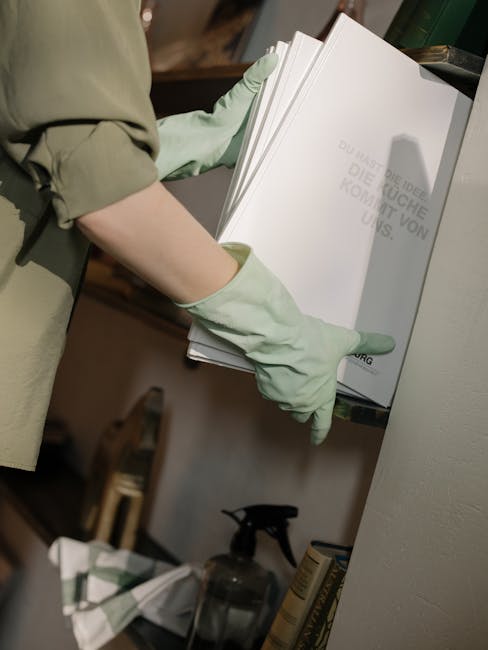
Booking confusion for Hampstead end of tenancy cleaning fixes
Booking an end of tenancy clean should feel straightforward. In reality, it often turns into a little knot of mixed messages, rushed dates, unclear prices, and questions nobody has answered properly. If you are dealing with booking confusion for Hampstead end of tenancy cleaning fixes, you are not alone. It happens when tenants, landlords, letting agents, and cleaning teams all think they are talking about the same thing, but they are not quite on the same page.
That confusion can lead to missed slots, avoidable stress, and a rushed clean that does not really solve the problem. The good news? It is fixable. In this guide, we will walk through what booking confusion looks like, why it matters in Hampstead, and how to get from uncertainty to a clean, properly planned handover. We will also cover practical steps, common mistakes, useful checks, and the kind of booking habits that save time on both sides. Simple, really. Well, not always simple, but definitely manageable.
Table of Contents
- Why Booking confusion for Hampstead end of tenancy cleaning fixes Matters
- How Booking confusion for Hampstead end of tenancy cleaning fixes Works
- Key Benefits and Practical Advantages
- Who This Is For and When It Makes Sense
- Step-by-Step Guidance
- Expert Tips for Better Results
- Common Mistakes to Avoid
- Tools, Resources and Recommendations
- Law, Compliance, Standards, or Best Practice
- Options, Methods, or Comparison Table
- Case Study or Real-World Example
- Practical Checklist
- Conclusion
- Frequently Asked Questions
Why Booking confusion for Hampstead end of tenancy cleaning fixes Matters
End of tenancy cleaning is not just a tidy-up. It is usually tied to a move-out deadline, an inventory check, or a final inspection. When the booking process goes wrong, everything else starts to wobble. The cleaner may arrive too early, too late, or without the right instructions. You may think you have booked a deep clean, while the provider has logged a lighter one-off visit. That sort of mismatch is where problems begin.
In Hampstead, this matters even more because many properties have a mix of period details, fitted appliances, delicate surfaces, and high expectations from landlords or agents. A clean that looks "fine" in a casual walkthrough may still fall short when checked against a checkout report. If the booking was unclear, it is harder to prove what was agreed and what was actually delivered.
Let's face it: moving house already drains your energy. You do not want to spend the final 48 hours chasing confirmations, wondering whether the oven was included, or finding out too late that carpet cleaning was never added. Fixing booking confusion early protects your deposit, your schedule, and your sanity. A nice little trio.
Expert summary: Most booking problems come down to three things: unclear scope, unclear timing, and unclear responsibility. Fix those three, and the whole process becomes far easier to manage.
If you are comparing service types, it can help to understand the difference between an everyday tidy and a more complete end of tenancy cleaning service. The latter is usually more detailed, more structured, and better suited to the final handover stage.
How Booking confusion for Hampstead end of tenancy cleaning fixes Works
The fix begins before anyone picks up a mop. In practice, booking confusion is usually resolved by tightening the brief. That means defining the property, the rooms, the extras, the access arrangements, and the deadline in plain language. If the provider knows exactly what is expected, there is far less room for assumptions. Assumptions are where bookings go sideways.
Here is the basic flow. First, you request a quote or enquiry. Then the cleaner assesses the job based on the property size, condition, and add-on tasks such as oven cleaning or carpet work. After that, a time slot is agreed, access details are confirmed, and the booking is locked in with clear terms. If anything changes later, the booking should be updated in writing, not guessed at over a rushed phone call.
In a real Hampstead move-out, the confusion often appears around details that seem minor at first. Does the clean include internal windows? Are skirting boards included? What about a freezer that has been switched off and left to defrost? These are tiny questions, but they matter. The wrong answer, or no answer at all, can lead to disappointment on the day.
A useful fix is to treat the booking like a checklist rather than a quick message. If you want to compare the broader standard of service against other property cleans, a provider's approach to deep cleaning can also be a helpful reference point. It shows whether they work in a structured, room-by-room way or just offer a broad estimate and hope for the best.
Key Benefits and Practical Advantages
When the booking is clear, everything else gets easier. The obvious benefit is reduced stress, but there are several more practical advantages too.
- Fewer delays: A clear booking helps the team arrive prepared, with the right products and enough time.
- Better scope control: You know exactly which rooms and items are included.
- More accurate pricing: The quote is less likely to shift later because the job was defined properly.
- Lower risk of disputes: Written confirmation gives everyone a shared understanding.
- Better handover results: The cleaning team can focus on what actually matters for the final inspection.
There is also a less obvious benefit: confidence. When you know the booking is sorted, you can deal with removals, keys, packing, and last-minute admin without that nagging feeling that the clean might not happen as expected. That confidence matters. You will feel it the moment the logistics stop buzzing in the background.
For some households, booking confusion also hides an opportunity. If you notice the property needs extra attention in certain areas, it may be more efficient to combine the move-out clean with a specialist oven clean or carpet cleaning rather than trying to patch things together later. A well-built booking can save time and keep the final result more consistent.
Who This Is For and When It Makes Sense
This kind of booking fix is useful for tenants, landlords, letting agents, and anyone preparing a property for checkout. It is especially relevant if you are moving on a tight schedule, sharing responsibility with flatmates, or dealing with a furnished property that has several cleaning requirements layered on top of each other.
Tenants tend to need it most when they are under pressure to leave the property spotless before the inventory clerk arrives. Landlords and agents need it when they want a predictable standard and clear communication. And cleaning teams benefit too, because fewer surprises usually means better work on site. Win-win, as people say, though I know that phrase gets overused.
It also makes sense if the property has a few awkward features. Think high ceilings, integrated appliances, heavy limescale, pet hair in soft furnishings, or a carpet that looks fine until the afternoon light shows every speck. Hampstead homes can be charming, but they can be a bit particular. Beautiful, yes. Easy to clean quickly? Not always.
If you are still deciding whether your job needs a general cleaner or a more dedicated move-out service, it can help to look at broader options like one-off cleaning or regular domestic cleaning. Those pages are useful for understanding how different services are positioned, especially when the line between a standard clean and a tenancy clean feels fuzzy.
Step-by-Step Guidance
If your booking has become messy, do not start by arguing about who said what. Start by rebuilding the booking from scratch. Here is a practical way to do it.
- List the property details. Include the number of bedrooms, bathrooms, living spaces, and any extra areas such as hallways, utility rooms, or balconies.
- Write down what must be cleaned. Be specific about ovens, fridges, freezers, cupboards, limescale, carpets, upholstery, and windows.
- Confirm access. Note whether there is a key safe, concierge, letting agent, or someone meeting the team on arrival.
- Set the timetable. Decide the best slot around your move-out, removals, and inventory time. Don't leave this vague.
- Ask what is included. If something matters to the checkout, get it confirmed in plain language.
- Request the quote in writing. That way, if the scope changes, you have a reference point.
- Check the cancellation or rescheduling terms. Life happens. Trains get delayed, keys go missing, boxes multiply in the hallway. It is useful to know the rules.
- Reconfirm the day before. A brief message can prevent a very annoying misunderstanding.
That last step sounds small, but it often saves the booking. A quick reconfirmation catches date mix-ups and access issues before they become a problem. Honestly, it is one of those low-effort habits that pays for itself.
If the clean requires a more specialised treatment, such as floor care or stain removal, ask whether the provider can pair the tenancy clean with hard floor cleaning or another relevant service. The key is to align the booking with the actual condition of the home, not the ideal version in your head.
Expert Tips for Better Results
A few small habits make a surprisingly big difference. In our experience, the most successful bookings are rarely the most dramatic; they are simply the most clearly prepared.
1. Use room-based notes, not vague labels
Instead of saying "clean the kitchen properly," say "clean cupboards inside and out, descale sink area, clean extractor exterior, wipe skirting, and include oven if possible." That may feel a bit pedantic, but it removes guesswork. And guesswork is expensive.
2. Separate standard tasks from extras
A tenancy clean and a specialist add-on are not the same thing. If you want carpets, upholstery, or appliances dealt with, name them separately. This helps the cleaner estimate time correctly and avoids the classic "Oh, I thought that was included" conversation.
3. Photograph problem areas before the clean
If a stain, chip, or damage issue already exists, take a quick photo. Not for drama. Just for clarity. This protects everyone if there is later confusion about what was there before the cleaning began.
4. Keep all booking notes in one place
Emails, messages, quotes, and call notes should live together. Scattered information is where people get caught out, especially during a hectic move. One folder. One thread. Less chasing around.
5. Choose a provider that explains the process clearly
A good cleaning company should be able to tell you what happens before arrival, what the service covers, and how changes are handled. If they are vague at the start, the booking is likely to stay vague all the way through. That is usually not a great sign.
To get a sense of the wider professionalism behind a provider, you can also review pages such as about us, health and safety policy, and insurance and safety. They are not just formalities; they tell you how seriously the business treats preparation and risk.
Common Mistakes to Avoid
Most booking confusion is self-inflicted, to be fair. Not because people are careless, but because moving house encourages fast decisions. Here are the mistakes that trip people up most often.
- Assuming everything is included. Never assume the oven, fridge, carpets, or windows are part of the base service.
- Leaving the booking until the last minute. The best time slots go quickly, especially near weekends and month-end move dates.
- Giving incomplete property details. A 1-bed flat and a 1-bed flat with a separate utility room are not always the same job.
- Ignoring access issues. A great booking can fall apart if nobody can get in on time.
- Changing the job at the door. This causes delays and awkward pricing conversations.
- Forgetting the checkout standard. The goal is not "looks okay," but "meets the handover expectation."
One of the sneakiest problems is overconfidence. You look around a freshly packed room and think, "That won't take long." Then daylight hits the blinds, the skirting boards, and the bit behind the radiator. Oof. Suddenly it is a different story.
Another mistake is booking the wrong type of service altogether. A general house cleaning visit can be useful for routine upkeep, but a move-out often needs more detail, more time, and more room-specific planning. That distinction matters a lot.
Tools, Resources and Recommendations
You do not need fancy software to fix booking confusion. A good notes app, a camera phone, and a short checklist will do most of the heavy lifting. What matters is how you use them.
Here are the most practical resources to keep close:
- Your tenancy agreement: Useful for understanding your responsibilities around cleaning, condition, and checkout.
- Your inventory report: A practical reference for matching the property's expected condition.
- Photo evidence: Handy for documenting the current state before cleaning starts.
- A booking summary: Keep the quote, confirmed date, access notes, and service scope together.
- A room-by-room checklist: Best for making sure the clean matches the property, not just the memory of it.
If the property has sofas, chairs, or fabric headboards that need attention, a linked soft-furnishings service such as upholstery cleaning or sofa cleaning may be worth discussing. Likewise, if windows are a sticking point on the inspection, you may want to ask about window cleaning as part of the booking conversation.
If you are comparing companies, service scope, and pricing clarity, the page on pricing and quotes is especially useful for understanding how a provider may structure estimates and what information they need from you. That alone can reduce a lot of back-and-forth.
Law, Compliance, Standards, or Best Practice
End of tenancy cleaning sits in a practical space rather than a heavily regulated one, but that does not mean standards are loose. In the UK, the main expectation is that the property is left in the agreed condition, allowing for fair wear and tear. The exact expectation depends on the tenancy agreement, the inventory, and the checkout process. So, yes, the paperwork matters more than most people like to admit.
From a best-practice point of view, clear written confirmation is the safest route. It reduces disputes, helps define the scope of work, and makes it easier to resolve issues if anything needs revisiting. For businesses, clear payment handling and transparent terms also build trust. A reputable cleaning provider should have straightforward pages for payment and security, terms and conditions, and privacy policy.
There is also a basic safety angle. Cleaning jobs often involve chemicals, electrical appliances, wet floors, and access equipment. You want to know that the team takes sensible precautions, especially in older Hampstead homes where a narrow stairwell or delicate finish can make a job trickier than it first looks. A strong recycling and sustainability approach may also be relevant for waste handling and product choice, depending on the job.
Practical takeaway: if a booking is unclear, do not treat it as a minor admin issue. In move-out cleaning, clarity is part of the service. It is not extra.
Options, Methods, or Comparison Table
There is more than one way to sort booking confusion. The right one depends on how complex the move is and how quickly you need the clean completed.
| Approach | Best for | Pros | Watch out for |
|---|---|---|---|
| Quick phone booking | Simple jobs with one clear point of contact | Fast and convenient | Easy to miss details if nothing is written down |
| Email or written quote | Most end of tenancy jobs | Clear scope, better record of agreement | Can take longer to finalise |
| Checklist-led booking | Properties with extras or multiple rooms | Very accurate and less ambiguous | Takes a bit more preparation |
| Full-service package | Moves with appliances, carpets, and soft furnishings | Convenient and often more joined-up | Needs careful confirmation of inclusions |
For many Hampstead tenants, the checklist-led approach is the sweet spot. It is detailed enough to stop mistakes, but not so cumbersome that it becomes a project in itself. A full-service booking can be excellent too, especially if you need help with appliances or specialist floor care. The main thing is not to mix methods halfway through and hope nobody notices. They usually do.
Case Study or Real-World Example
Here is a realistic example from a typical Hampstead move-out scenario. A tenant in a two-bedroom flat booked a clean over the phone after a long day of packing. They said they needed "the whole place done" and assumed that would cover the oven, inside cupboards, and a set of marked carpets in the reception room. On the day before the clean, they realised the quote only included standard room cleaning and a basic kitchen reset. Not ideal.
Rather than cancelling, they paused and rebuilt the booking properly. They listed each room, added the oven separately, clarified the carpet areas, and confirmed access through the concierge. They also asked for the quote to be resent in writing. That one extra step changed everything. The cleaner arrived knowing what to expect, the time window was realistic, and the handover went smoothly.
What made the difference was not luck. It was specificity. The job stopped being a vague "clean the flat" request and became a clear plan. That is what fixes booking confusion in practice. Not a miracle, just structure.
A smaller but useful detail: the tenant also checked the provider's service pages to understand how the company describes its cleaning company standards and whether the team offers related support like cleaners for recurring help. That kind of review helped them feel more confident before confirming the final booking.
Practical Checklist
Use this checklist before you confirm any Hampstead end of tenancy clean. It is plain, but it works.
- Property address is correct
- Move-out date and clean date are aligned
- Access method is confirmed
- All rooms are listed
- Extras are named clearly
- Quote matches the requested scope
- Any stains, damage, or problem areas are noted
- Expected checkout standard is understood
- Payment method and terms are clear
- Cancellation or rescheduling terms have been checked
- Booking confirmation is saved in writing
- Final reconfirmation message is sent before the appointment
If you can tick all of those off, your booking is probably in good shape. If several are missing, slow down and sort them before the clean date. That little bit of admin can save a lot of grief later. Honestly, it is worth the effort.
Conclusion
Booking confusion for Hampstead end of tenancy cleaning fixes is really about one thing: turning a rushed, uncertain process into a clear agreement that everyone can follow. Once the scope, timing, access, and extras are properly defined, the clean becomes much easier to deliver and much easier to trust. That is especially important in a move-out setting, where the pressure is already high and there is little room for miscommunication.
Whether you are a tenant trying to protect a deposit, a landlord preparing for a new occupant, or an agent managing the handover, the best fix is almost always the same: write it down, confirm it clearly, and do not leave important details to memory. Memory is brilliant for some things. Booking logistics, not so much.
If your move-out is coming up soon, take ten minutes now to tidy up the booking details. It is a small task, but it can make the whole final stretch feel calmer. And calmer is good. Very good, in fact.
Get a free quote today and see how much you can save.
Frequently Asked Questions
What causes booking confusion with end of tenancy cleaning in Hampstead?
It usually comes from unclear scope, rushed communication, or assumptions about what is included. People often think the booking covers every task automatically, when in reality extras may need to be added separately.
How do I fix a cleaning booking that was made too vaguely?
Rebuild it from the start. Confirm the property details, rooms, extras, access arrangements, and timing in writing. A clear checklist is better than trying to patch a vague phone conversation.
Should I ask for the quote in writing?
Yes, absolutely. Written confirmation makes it easier to compare what was agreed with what is delivered. It also helps if you need to refer back to the booking later.
What should be included in an end of tenancy clean?
That depends on the provider and the property, but it often includes kitchens, bathrooms, floors, surfaces, cupboards, and detailed room cleaning. Anything special, such as ovens or carpets, should be confirmed separately.
Is a deep clean the same as end of tenancy cleaning?
Not always. A deep clean is a broad term, while end of tenancy cleaning is usually tied to move-out standards and handover expectations. It is better to check the exact scope rather than rely on labels alone.
How far in advance should I book?
As early as you can, especially around month-end or weekend move dates. Leaving it late can limit your options and increase the chance of confusion or rushed arrangements.
What if I need oven or carpet cleaning too?
Say so during the booking process. These are commonly treated as extras or specialist tasks. Confirm them early so the quote and schedule reflect the actual job.
Can I change the booking if my move-out date shifts?
Usually yes, but the rescheduling terms should be checked first. If you know the date might move, tell the provider early rather than waiting until the last minute.
Why is written access information so important?
Because a clean can only start on time if the team can get in. Whether it is a key safe, concierge, or someone meeting the crew, access details remove a lot of avoidable delay.
How do I know if the cleaning company is trustworthy?
Look for clear service descriptions, straightforward terms, transparent pricing, and useful policy pages. A company that explains how it works is usually easier to deal with than one that stays vague.
What should I do on the day before the clean?
Send a quick reconfirmation message, clear away personal belongings, and make sure access is still arranged. It sounds basic, but it catches plenty of small issues before they become big ones.
Do I need to be present during the cleaning?
Not always. Some people prefer to hand over keys and leave, while others like to stay nearby. What matters most is that the access plan is agreed beforehand and the cleaner has what they need to start.
What if the booking details and the quote do not match?
Stop and clarify it before the appointment. A mismatch now is much easier to fix than a dispute after the clean. Better a five-minute check than a stressful surprise later.